Supply Chain
July 24, 2026
By Hege V. Lund
Why Crossing Borders Creates More Headaches Than Moving Freight at Home
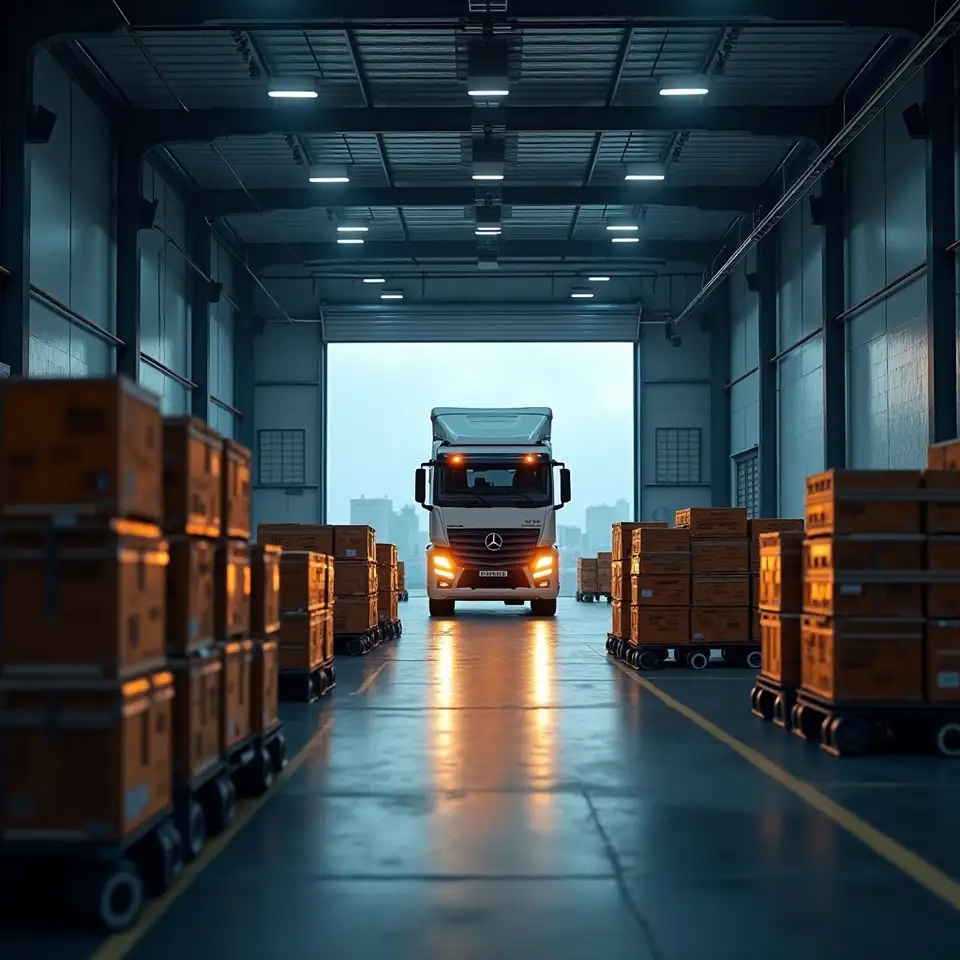
Preparation—not distance—is the critical difference in successful international
shipments.
Why Distance Isn’t the Hardest Part
Cross-border trade isn’t complicated just because of distance. The real paradox is that moving goods ten kilometers across a national border often creates more paperwork than shipping them one thousand kilometers within Norway. This is due to customs requirements, diverse local regulations, and unpredictable inspection protocols. Norwegian businesses must learn to anticipate these pain points, especially when entering new markets. That’s why we start every engagement with a scenario analysis, mapping each step from shipment to arrival, and identifying where surprises could arise. Over time, we’ve found that the key is building trust with logistics partners and preparing fallback plans. This not only streamlines shipments but also limits the risk of costly delays or missed opportunities.
The Communication Challenge
One oddity of international supply chains is that ‘transparency’ doesn’t mean everyone is on the same page. Each party—exporter, importer, freight forwarder, customs agent—has a different view of the process, with their own priorities and incentives. For Norwegian firms, success often depends on developing relationships that promote open communication and fast issue resolution. We work with clients to clarify roles, establish clear points of contact, and encourage regular check-ins between partners. This helps prevent information bottlenecks, especially when dealing with unfamiliar trade routes or new suppliers.
Resilience Is a Process
Supply chain disruptions can strike for reasons no software can predict—strikes, weather events, regulatory changes, or just a missing pallet. The difference between a manageable hiccup and a major crisis is preparation. At Ravinatozul, we maintain an incident response checklist, hold periodic debriefs after disruptions, and regularly update our risk profiles. These practices allow us to adapt quickly and keep goods flowing, even when surprises occur. We encourage our clients to adopt similar routines for long-term resilience.